


Naphtha Hydrogenation Catalyst
1. Naphtha hydrogenation catalyst usually uses a fixed bed hydrogenation;
2. Naphtha hydrogenation catalyst can not only reduce the sulfur and olefin content in the naphtha at the same time, but also increase the content of aromatic hydrocarbons, so that the octane value of the naphtha after hydrogenation does not decrease or decreases very little;
3. The preparation of naphtha hydrogenation catalysts generally adopts the impregnation method or dry mixing method to support the metal on the carrier.
Product Introduction
Naphtha(hydrogenation) is an important fuel blending raw material and chemical raw material. It is mainly used for blending gasoline fuel, producing aromatic hydrocarbons or producing chemical raw materials such as ethylene and propylene through cracking reaction, and as a raw material for hydrogen production. Naphtha is usually derived from straight-run naphtha obtained by fractional distillation of crude oil, and sometimes the fractions of catalytically cracked naphtha, coker naphtha, residual hydrogenated naphtha and ethylene pyrolysis gasoline are combined with straight-run naphtha. Mixed and sent to the device for processing.
Naphtha hydrogenation catalyst needs to remove impurities such as sulfur, nitrogen and metals in the raw materials for naphtha from various sources. At present, naphtha hydrogenation technology is also the most suitable process technology for removing impurity elements in naphtha.
The pre-hydrogenation of straight-run naphtha produces the main raw material for catalytic reforming, the hydrogenation of cracked naphtha produces high-octane gasoline, and the hydrogenation of coke naphtha produces olefin cracking feedstock or hydrogen production feedstock.
Operation Conditions:
| Inlet temperature, ℃ | 280~340 |
| Inlet pressure, MPa | 3.0 |
| H2 volume ratio | 80 |
| Liquid volume airspeed | 8.1 h-1 |
| Pressure drop, MPa | < 0.3 |

Naphtha hydrogenation usually uses fixed bed hydrogenation, naphtha and hydrogen enter the reactor from the top, and under the dual action of naphtha hydrogenation catalyst and hydrogen, various impurities in naphtha are removed, The reacted product is discharged from the bottom of the reactor, and the hydrotreated naphtha product is obtained after the separation of the subsequent unit.
Physical Properties:
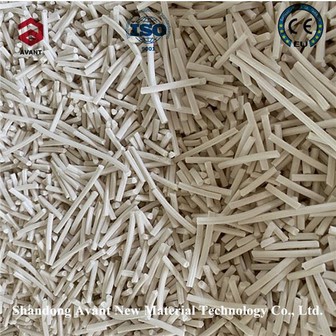
Shape | Clover strip-type |
| Length, mm | 3-15 |
| Surface area, m2/g | 200~300 |
| Pore volume, ml/g | ≥ 0.45 |
| Bulk density, g/ml | 0.62~0.75 |
| Crushing strength, N | ≥ 65 |
| MoO3, % | 15~18.5 |
| CoO, % | 2.3~3.8 |
| NiO, % | 1.0~2.0 |
AVANT's naphtha hydrogenation catalysts and technologies are suitable for processing all feedstocks while still ensuring a simple, reliable, stable and profitable hydrogenation process.
With superior process design, high-performance catalysts and proprietary equipment, ensure greatly extended cycle times and improved equipment utilization.

Hot Tags: naphtha hydrogenation catalyst, China, manufacturers, suppliers, factory, wholesale, price, VRCC 1 Catalyst, C4 C5 C6 Low Temperature Light Hydrocarbon Isomerization Catalyst, Pseudo Boehmite For Oil Refining Catalyst, Nickel Based Catalyst, Claus Sulfur Recovery Catalyst, Low Coke Catalytic Cracking Catalyst
You Might Also Like




Send Inquiry
