


Reactivated Catalytic Cracking Catalyst
1.Reactivated catalytic cracking catalyst is to recover the activity 2.Using the inorganic organic coupling tech to reactivate spent catalyst 3.The process: the use of acid,alkali solution impregnation,ion exchange reactivation treatment
Product Introduction
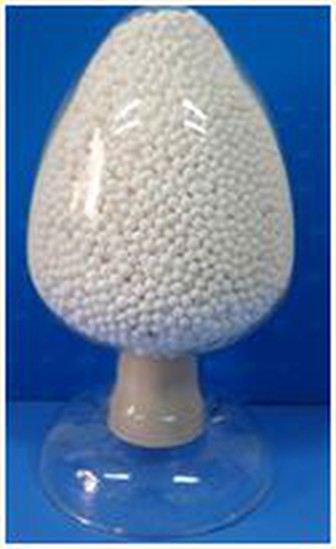
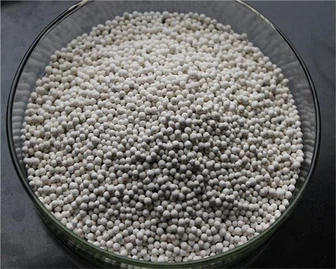
Reactivated Catalytic Cracking Catalyst
Comparing with the spent kind before treatment, the activity of will reach 72-75%, the specific surface is increased by 60-80%, reaching over 170㎡/g, and the metal removal rate is ≥30%.
The use efficiency of the treated product reaches 60%-70% of the new agent.
Reactivated catalytic cracking catalyst can meet the requirements for the smooth operation of the catalytic cracking unit,replaying some or all of the new agent.
The key to the resurrection is to remove the deposited heavy metals by chemical reaction without destroying the molecular sieve structure, so that the blocked channels can be cleaned, and the specific surface area and pores of the catalyst can be restored.
The methods of chemical reactivation of FCC spent kind can be divided into three categories:
The use of acid, alkali solution impregnation, ion exchange reactivation treatment
Carbonylation, chlorination reactivation treatment
Sulfidation-oxidative reactivation treatment
Then making the spent kind into reactivated catalytic cracking catalyst
Technology Index:
Item | Index |
Ni (%) | ≤ 0.35 |
V (%) | ≤ 0.10 |
Ca (%) | ≤ 0.20 |
Na (%) | ≤ 0.30 |
Crushing Strength (%) | ≤ 2.8 |
Using the waste agent with higher vanadium content as the raw material to investigate the vanadium removal effect of oxidation method and pickling method.
The results show that the vanadium removal rate is not only related to the pickling conditions, but also to the oxidative roasting conditions. When the oxidative roasting time is the same, the devanadium removal effect of different washing solutions is also different.
Among them, the mixed solution of oxalic acid and H2O2 has better devanadium removal effect; through the above research, it is found that the removal effect of pickling method for different heavy metals is obviously different, and vanadium is the easiest to remove. Removal, followed by iron, the most difficult to remove is nickel. This is mainly related to the existence state of the metal in the catalyst.
The study found that nickel mainly exists in the form of nickel aluminate or nickel silicate spinel in the waste agent, which is difficult to react with the acid solution, while most of vanadium and iron exist in the form of oxides, which are easier to react with the acid solution and leach out higher rate.
All goods in factory warehouse:

Hot Tags: Reactivated Catalytic Cracking Catalyst, China, manufacturers, suppliers, factory, wholesale, price, Methanol Synthesis Catalyst, Steam Reforming Catalyst For Producing Hydrogen, Sulfur Recovery Tail Gas Hydrogenation SCOT Catalyst, RMS 8 Catalyst, Low Coke Catalytic Cracking Catalyst, Claus Sulfur Recovery Catalyst
You Might Also Like



Send Inquiry
