The role played by magnesium oxide in neoprene adhesives
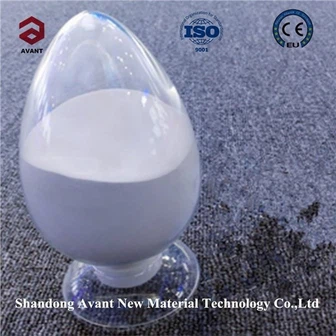
Activated magnesium oxide due to its large surface area, high activity, used in neoprene adhesives, can improve the initial adhesion of adhesives, adhesive strength. Adhesive strength. The transparency of the adhesive is improved. The most important feature is the prevention of delamination and precipitation of the adhesive. The activity of activated magnesium oxide It is generally expressed by the size of the absorption value, the absorption value is less than 40 for low activity, the absorption value in 40~100 for medium activity, more than 100 for high activity. High-quality neoprene adhesives - generally use high activity magnesium oxide.
The main components of neoprene adhesives, in addition to neoprene, there are also resins. The resin has a greater impact on the neoprene adhesive. Resin The role of the resin is to increase the adhesive force, improve the cohesive strength and extend the bonding retention time. Commonly used resins: tert-butyl phenolic resin, terpene phenolic resin Terpene phenolic resin, petroleum resin, rosin resin, etc. Among them, tert-butyl phenolic resin is the most effective. If the resin is added directly into the neoprene adhesive modification effect is very poor, and very easy to produce delamination. Only the resin and magnesium oxide
Pre-reaction before adding, will significantly improve the bond strength, heat resistance, layer stability and storage stability. Resin The quality of the resin, the activity of the magnesium oxide, the choice of solvent and catalyst, the reaction temperature, the reaction time and other factors have a great influence on the pre-reaction. The reaction conditions are The common reaction conditions are: the amount of magnesium oxide is 10% of the resin, and about 10% of the resin amount is added as a catalyst. The reaction is stirred in a solvent equal to the resin, at a temperature of 20-25°C and for 6-8 hours.
In the chelation reaction process, active magnesium oxide reacts with tert-butyl phenolic resin, requiring high activity of active magnesium oxide, specific surface The area is large, the material is fine, good dispersion, the stacking density is moderate. If the stacking density is large, it is easy to precipitate; if the stacking density is small, the operating environment is The operating environment is poor. In addition, to prevent active magnesium oxide moisture absorption. Because, moisture adsorption in the active magnesium oxide surface, will be part of the internal and The external surface is wet, so that the activity of the active magnesium oxide is weakened, affecting the chelate adaptation. Therefore, before use, active magnesium oxide should be strictly The moisture content should be strictly controlled and preferably dried. Neoprene adhesives (referred to as fluorobutylene adhesives) is an important species of rubber adhesives with large production and wide usage. The adhesive force is large, high bond strength; rubber layer is flexible, good elasticity, impact resistance; water, oil, alkali, acid and solvent resistance;
Ozone resistance, ageing resistance, durability and flame retardancy; can be bonded to a variety of metal, non-metallic materials.
Magnesium oxide for neoprene is an important raw material for neoprene adhesives, the activity of magnesium oxide reflects the strength of the reaction between magnesium oxide and neoprene adhesives. The activity of magnesium oxide reflects the strength of the reaction ability of magnesium oxide and chloroprene adhesive. The higher the activity, the faster the reaction speed with chloroprene adhesive. Reactive magnesium oxide in chloroprene adhesives The role of reactive magnesium oxide in neoprene adhesives is multifaceted, mainly in cross-linking, acid absorption, anti-scorching and integration with the resin.