

Boehmite & Alumina Powder for Wet Separator Coating
In lithium-ion batteries, after the separator absorbs the electrolyte, it can isolate the positive and negative electrodes to prevent short circuits, while allowing the conduction of lithium ions to prevent explosions. The performance of the separator determines the key characteristics of the battery such as capacity, cycle performance, and charge-discharge current density. The thermal shrinkage performance characterization is an important indicator of the performance of the separator, and it is also related to the safety performance of the battery.
The lithium-ion battery separators currently on the market are mainly: polyolefin separators, non-woven-based separators and other types of separators.
Although polyolefin separators have many advantages, their thermal stability and mechanical properties are poor. In the use of batteries, due to external and internal reasons, the temperature of the battery will rise, which will cause the diaphragm to shrink, thereby causing a short circuit, causing fire or explosion. The lithium battery market has put forward new requirements for the 3C lithium-ion battery separator: it needs to develop in the direction of thinner thickness and better heat resistance. This further highlights the importance of the thermal shrinkage properties of the ceramic separator.
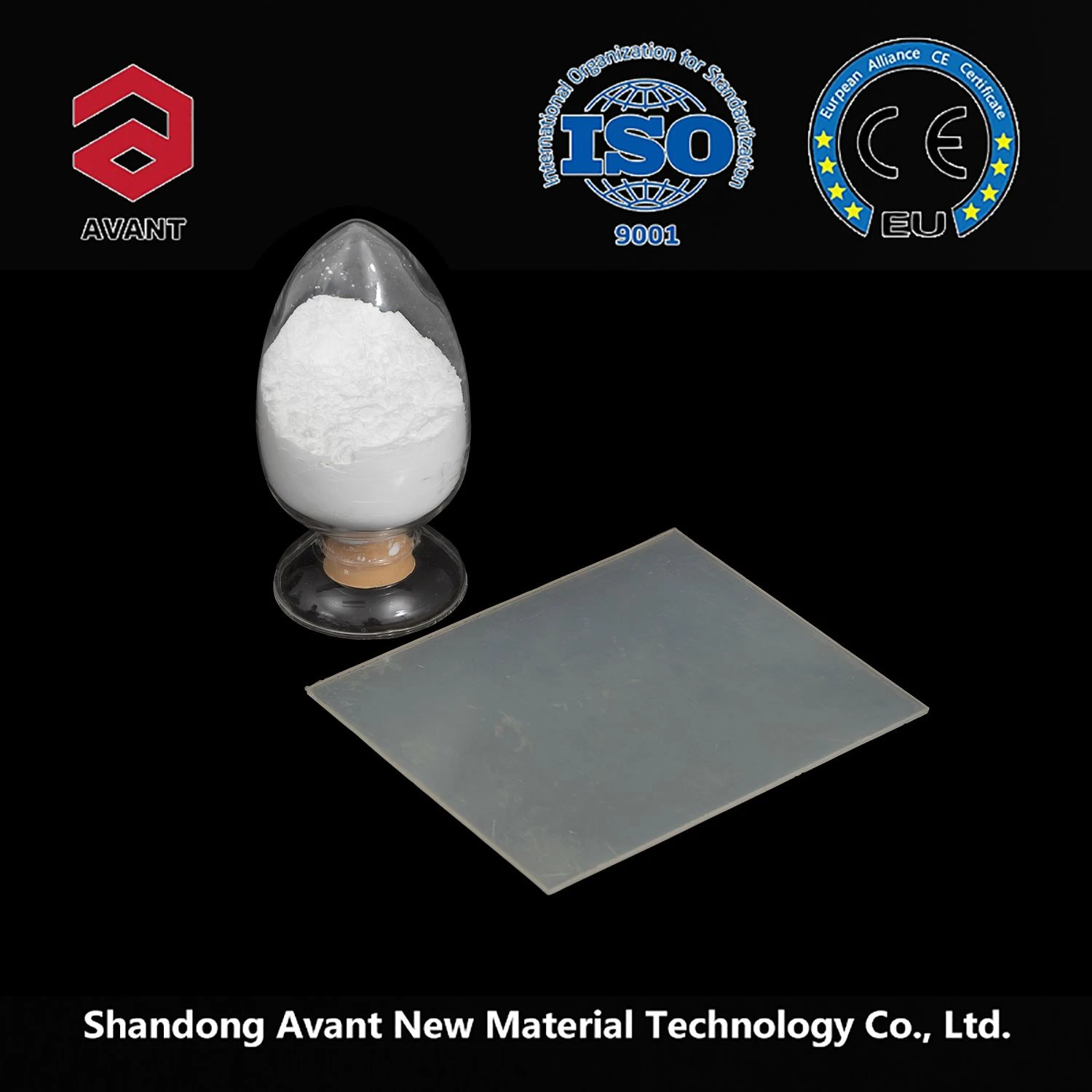
In order to improve the heat resistance of the separator, reduce the safety problems such as short circuit caused by the thermal shrinkage of the separator, and improve the reliability of the lithium ion battery. The method of adding inorganic ceramic materials to make ceramic separators for lithium-ion batteries has received a lot of attention and applications, and the inorganic substances used are generally alumina, boehmite, and the like. This method utilizes that the inorganic ceramic material cannot be directly attached to the porous polyolefin membrane, so the binder is required to be between the inorganic ceramic particles to provide adhesion between the inorganic ceramic particles and the porous polyolefin membrane.
The rigid supporting effect of ceramics makes the ceramic modified diaphragm have excellent thermal stability and dimensional integrity at high temperature, and supports the maintenance of the diaphragm structure at high temperature. The shrinkage is severe, and the coated separator has a greatly improved shrinkage resistance due to the existence of the ceramic layer, and has better mechanical properties and safety.
1. High purity(Alpha) & Calcined Alumina
As an inorganic coating material, alumina has the characteristics of high purity, concentrated particle size distribution, good dispersibility, uniform primary crystal of powder and high crystallinity. For ceramic coating, the moisture content of the coating film is low, the powder is easy to disperse, the ceramic slurry has good placement stability, and the added value of air permeability after coating is small, and the thermal shrinkage is small.
2. Boehmite
Boehmite has very good thermal conductivity, which can effectively solve the problem of thermal conductivity of lithium battery separators and avoid battery spontaneous combustion or even explosion; good hydrophobicity is conducive to improving the safety and stability of batteries; its low hardness is conducive to reducing machining costs It is worth mentioning that boehmite has good compatibility with organic matter, so blending boehmite with organic matter has become a hot spot in lithium battery separators.


