The Application Of Nano-grade Alumina
Nanoscience and technology is one of the three high-tech technologies in the 21st century, and nanoscience and technology will have a profound impact on other disciplines, industries and society. The so-called nanomaterials generally refer to particles ranging in size from 1 to 100 nm in the junction area of atomic clusters and macroscopic objects.
In addition to its own more excellent characteristics, nano-alumina also has good compatibility with rubber and plastics, so it has important applications in aerospace, national defense, chemical industry, microelectronics and many other fields, and has become an indispensable part of today's society. Functional and structural materials.
Ceramic Material
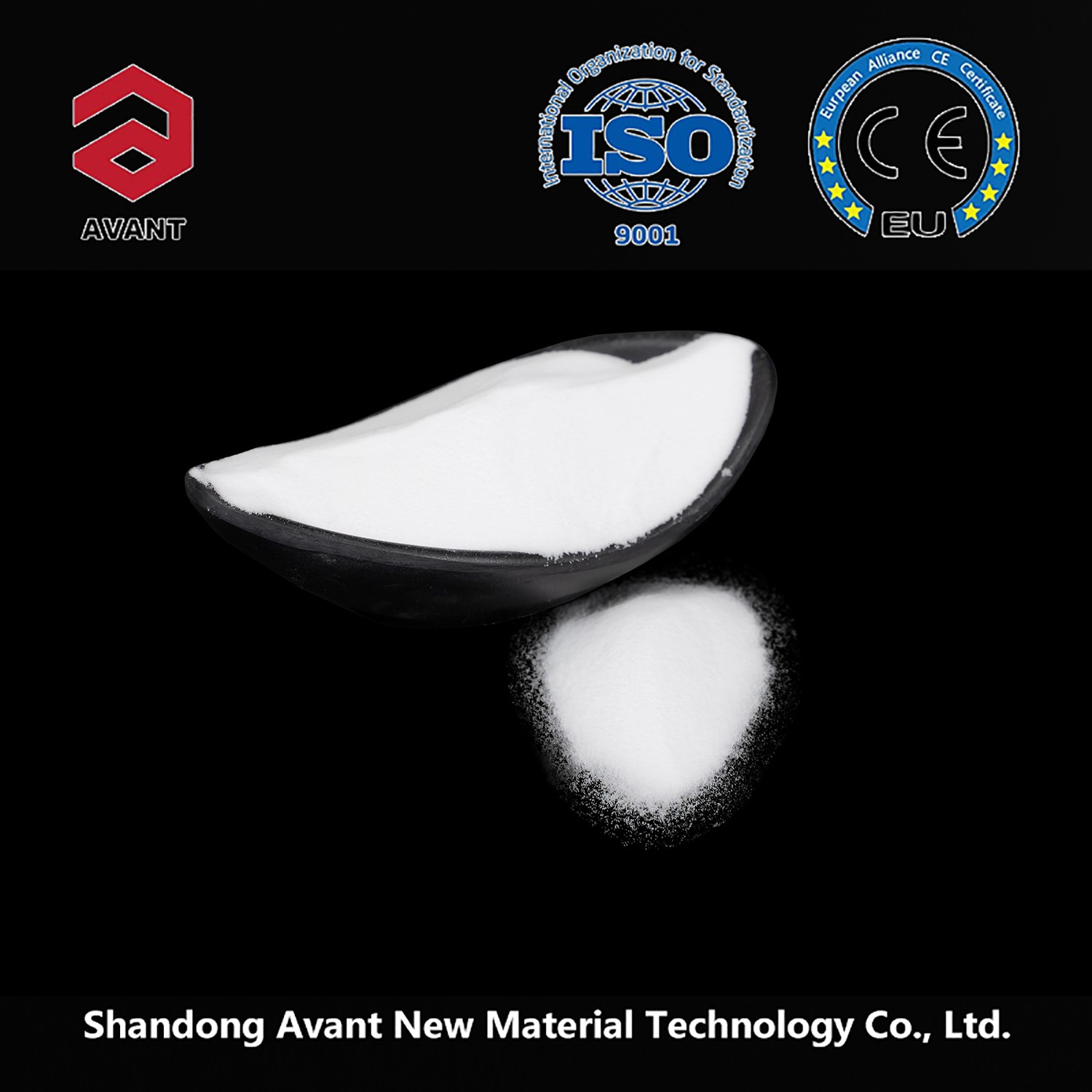
Alumina ceramics have good comprehensive properties in terms of mechanics, high temperature resistance and chemical stability, and are currently one of the most widely used ceramic materials in the world. Nano-scale alumina can improve the strength, toughness and superplasticity of materials. The performance of the material has been greatly improved.
In addition, adding a small amount of nano-sized alumina to other ceramic substrates can double the mechanical properties of the material and reduce the sintering temperature.
Therefore, nano-alumina has broad application prospects in composite ceramic materials.

Catalyst & Catalyst Carrier
Alumina carrier refers to white powdery or shaped alumina solid, which is the most widely used catalyst carrier, accounting for about 70% of industrial supported catalysts. As a catalyst carrier, alumina has been widely used in petroleum processing, catalytic cracking, etc. because of its porosity, high specific surface area, good hardness, wear resistance and stable chemical properties. It can disperse some active material components on its surface and pores. Oxidative dehydrogenation of isobutane to produce isobutene and preparation of butadiene, etc.
Material Surface Protection
Nano-Al2O3 has good chemical stability and relatively strong adsorption capacity, and has good affinity with various substrates. Nano-alumina-based coating can form a relatively firm and dense protective coating on the surface of various metals and ceramic materials. The coating can effectively prevent welding and protect against high temperature. The coating has good ease of removal and is not harmful to the coated devices. At the same time, the advantages of high melting point, high hardness and good wear resistance of alumina can also improve the hardness, corrosion resistance and wear resistance of the surface, which can be used for surface protection of machinery, tools, chemical pipelines, etc.; nano-Al2O3 has excellent It can significantly improve the oxidation resistance of the coating when used in organic coatings, and can transmit stress in the environment where the coating encounters alternating cold and heat, thereby reducing the generation of cracks.
Polymer Modification
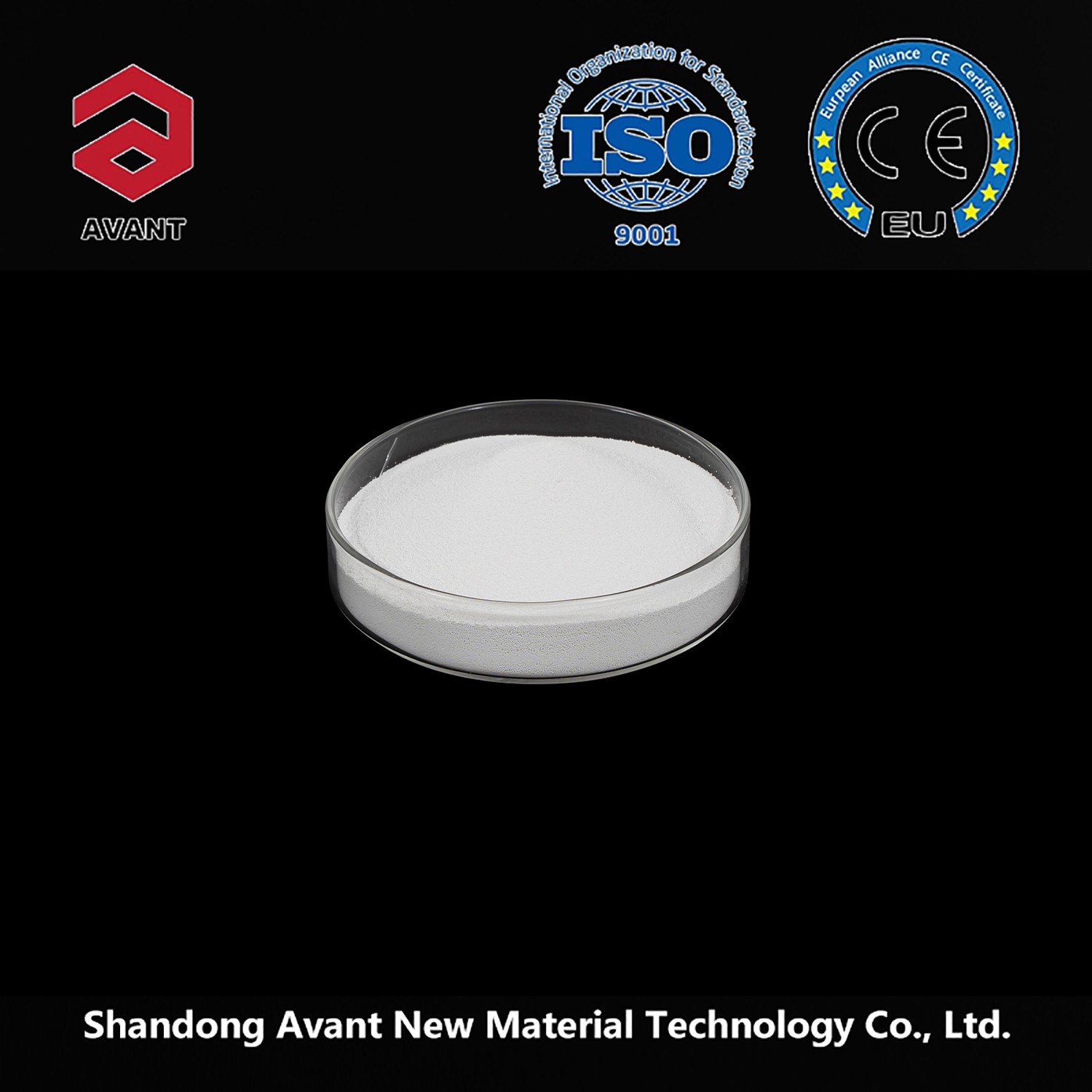
Due to the rapid development of nano-alumina in recent years, people use it to modify different polymers (such as water-based polyurethane, polypropylene, linear low-density polyethylene, epoxy resin, polytetrafluoroethylene, etc.) to meet the requirements of use.
Composite Material
By exploring the advantages of high temperature resistance of nano-alumina materials, it is found that it can play a great role in the production process of composite materials.
In the research of China, it was found that the corresponding nano-alumina composite film can be made by nano-alumina materials, and its high-temperature electrical properties, decomposition humidity and tensile strength have been effectively optimized. Foreign studies have found that nano-alumina-filled unsaturated polyester nanocomposites have excellent tensile strength and impact strength properties.